Four Wheelers
Documents (a) R.C. (b) Insurance (c) Pollution Certificate (d) Driving License & Other license as per usage of vehicle
Two Wheelers
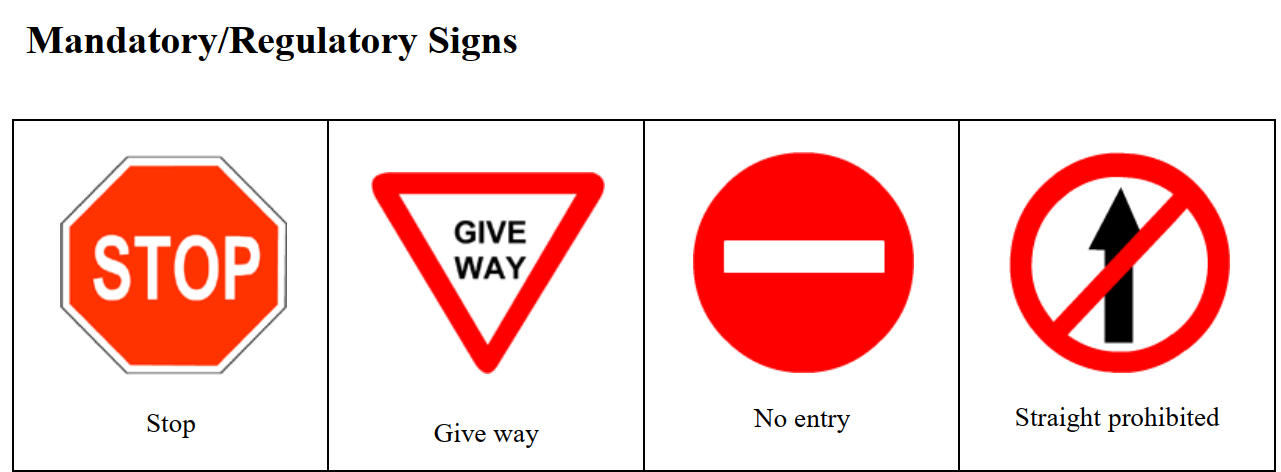
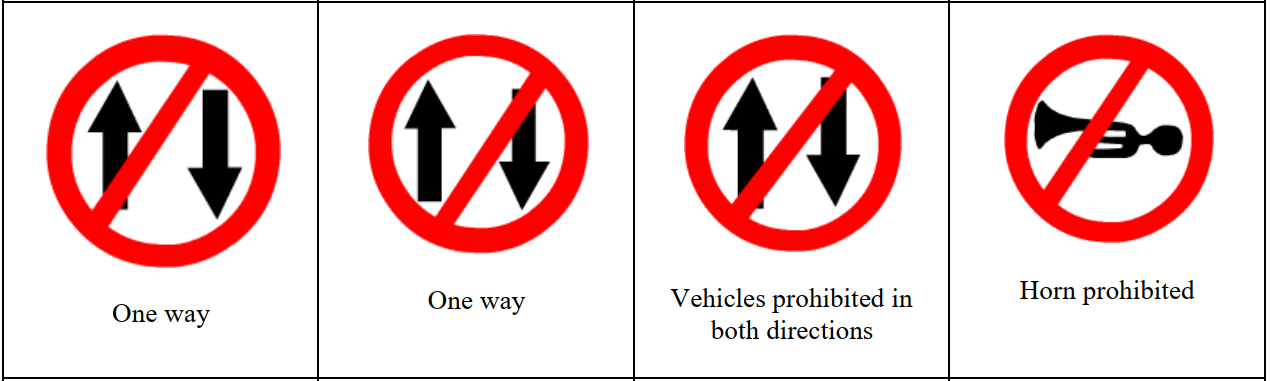
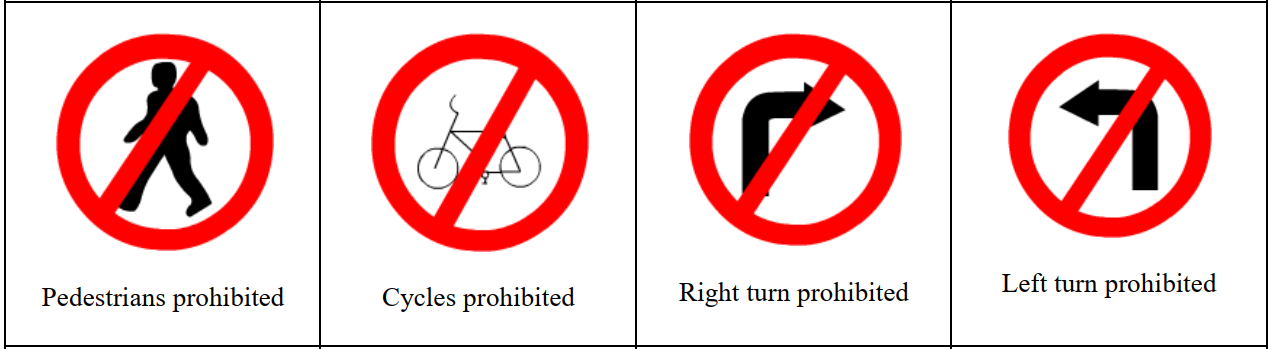
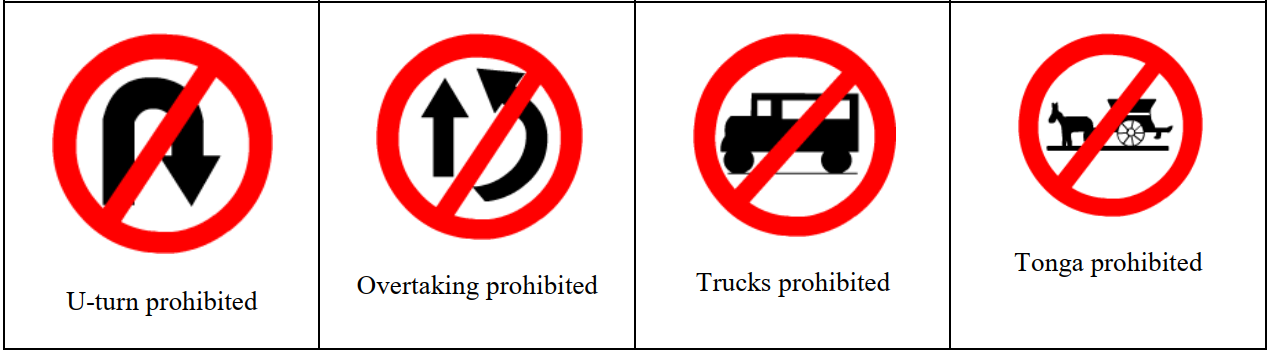
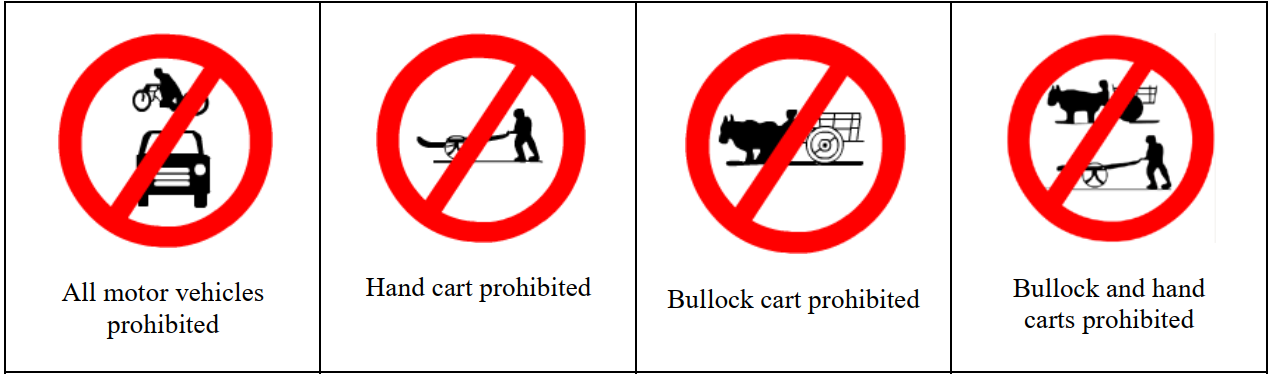
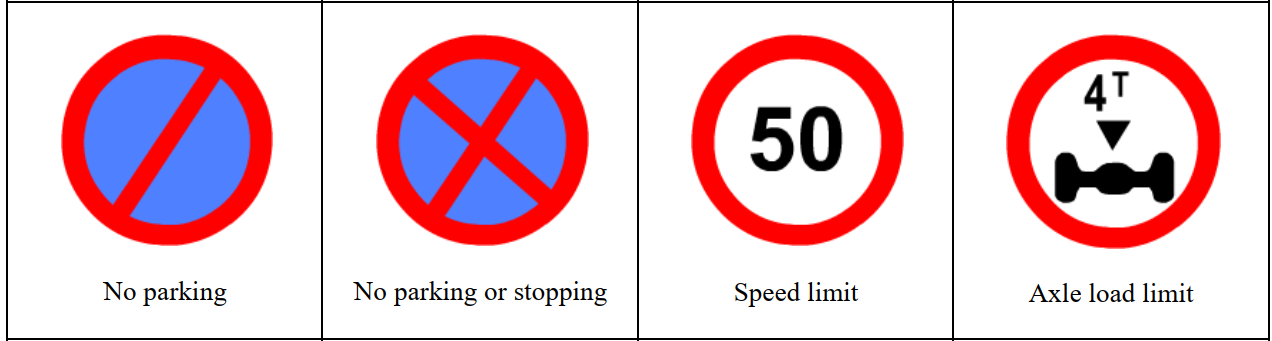
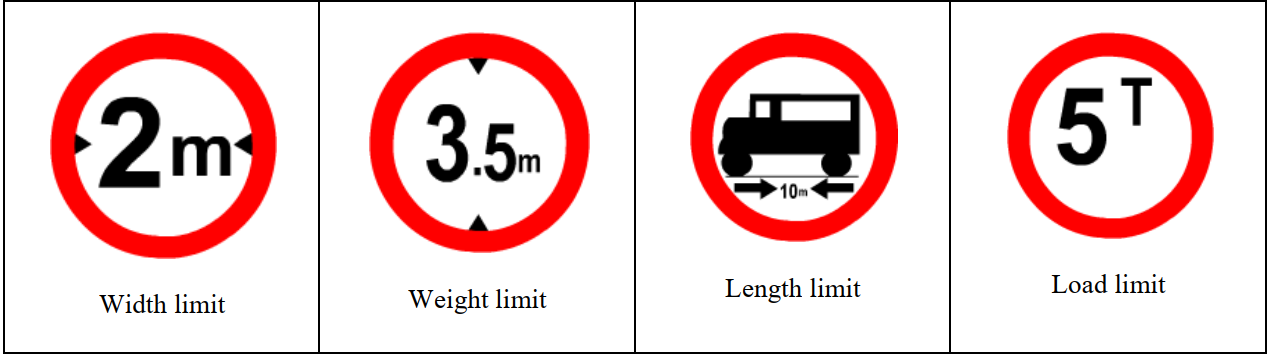
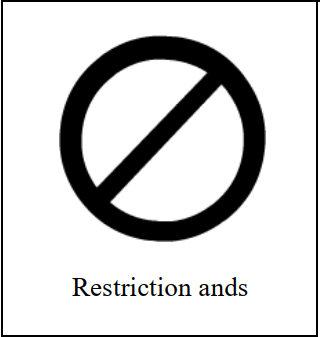
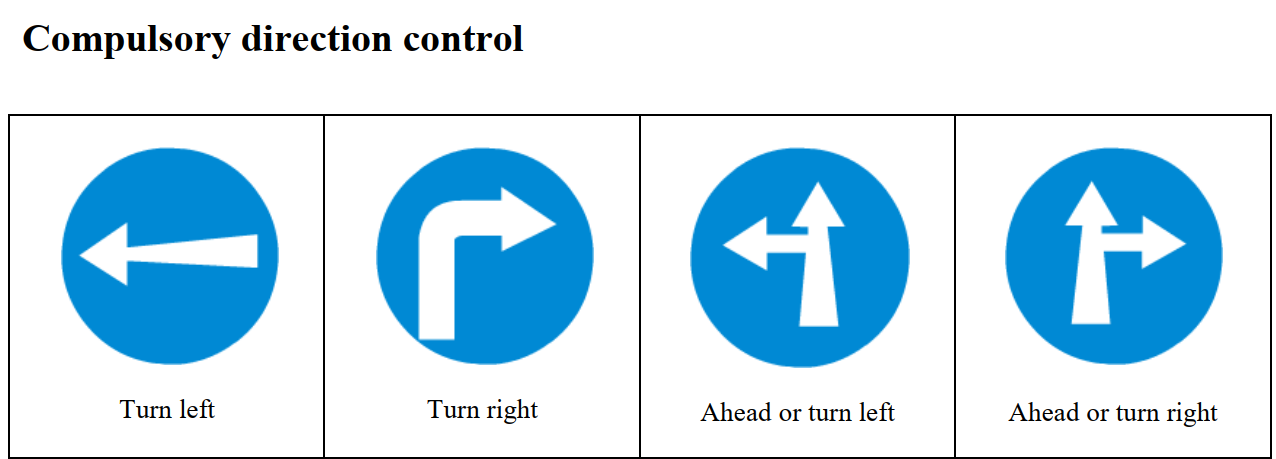
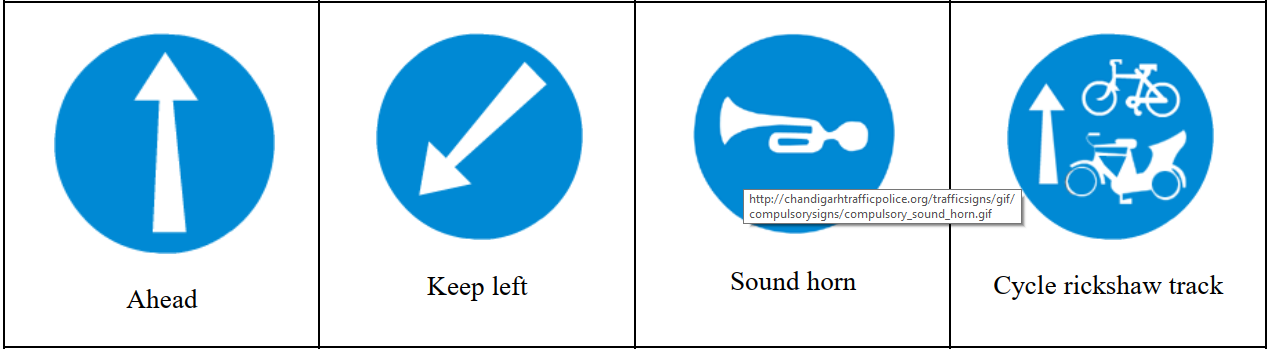
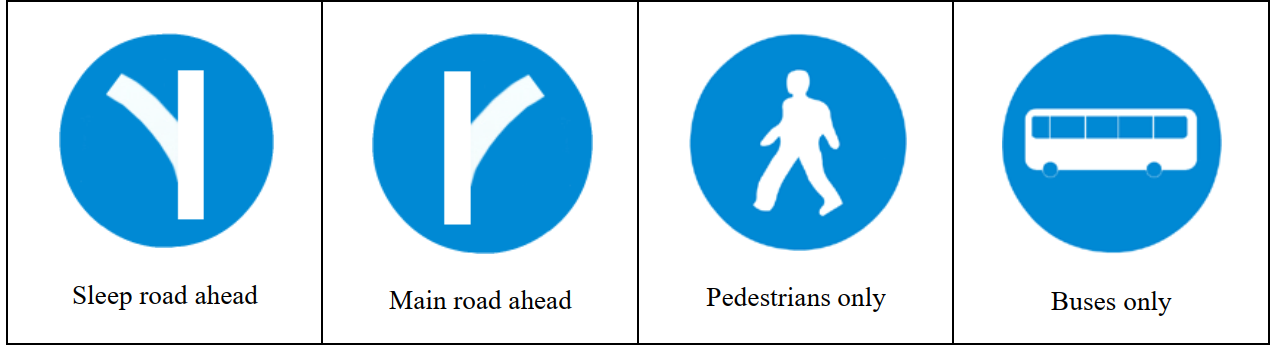
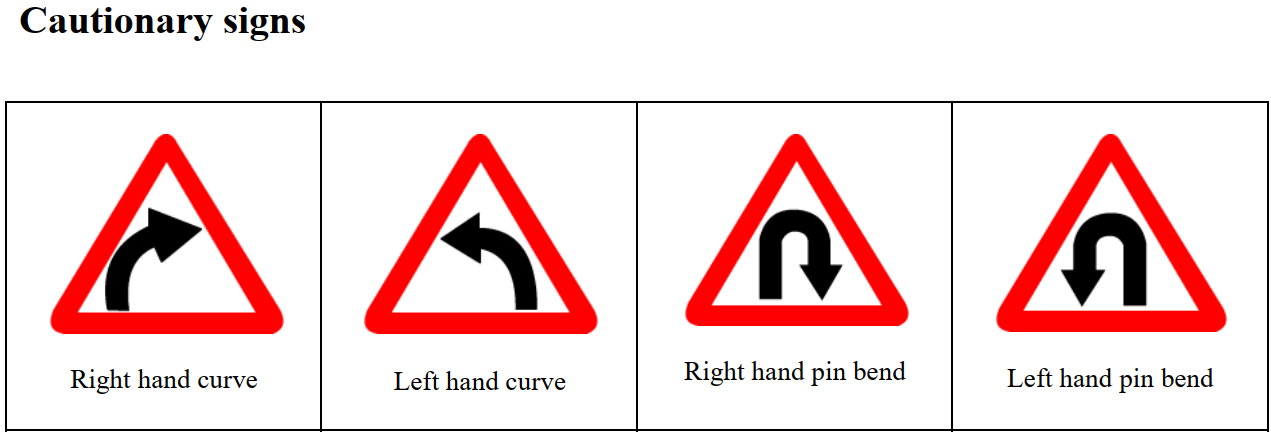
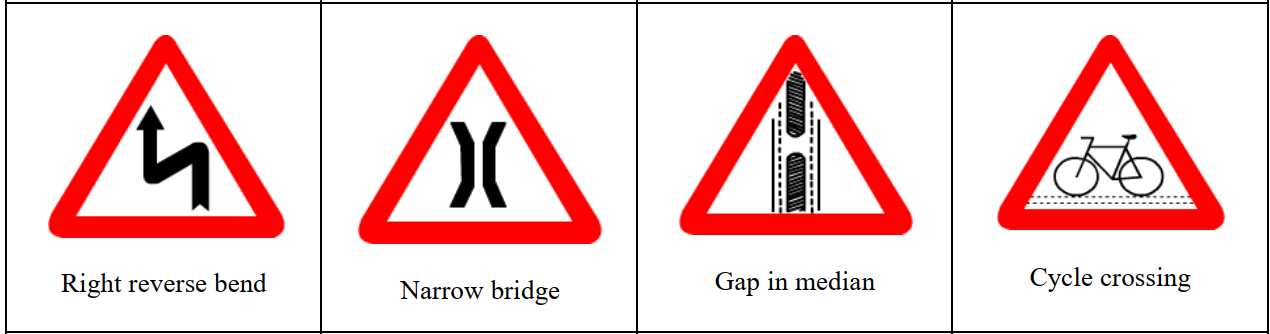
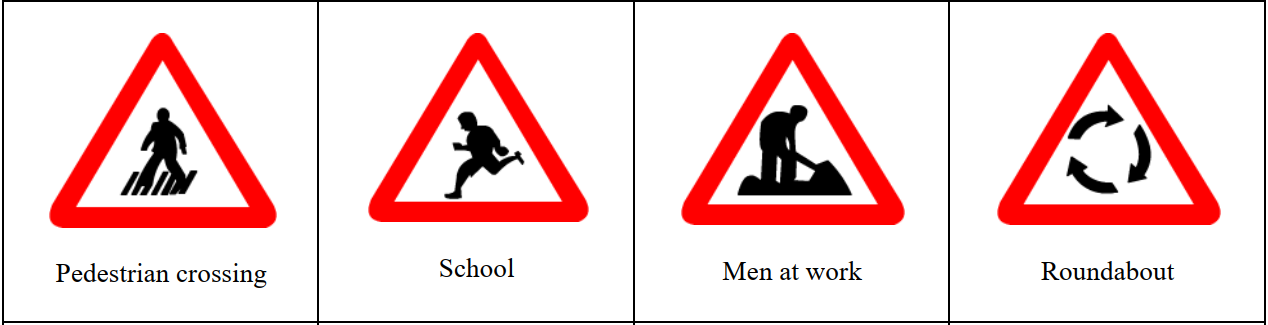
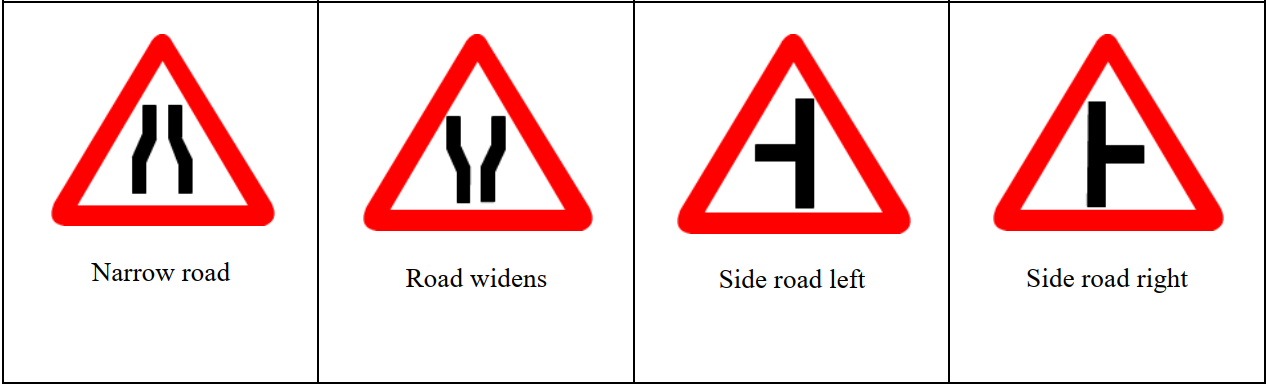
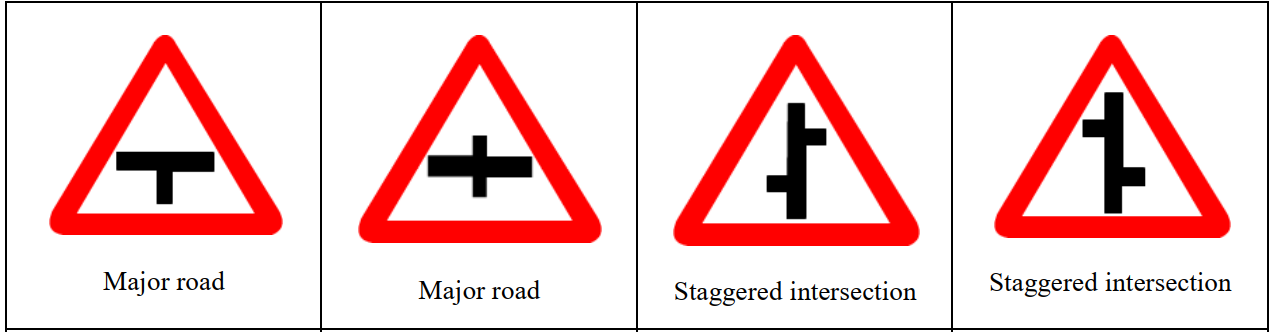
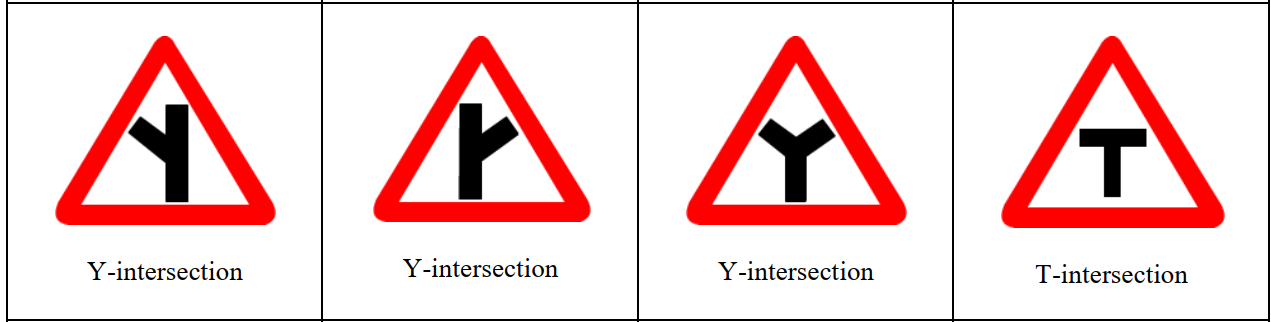
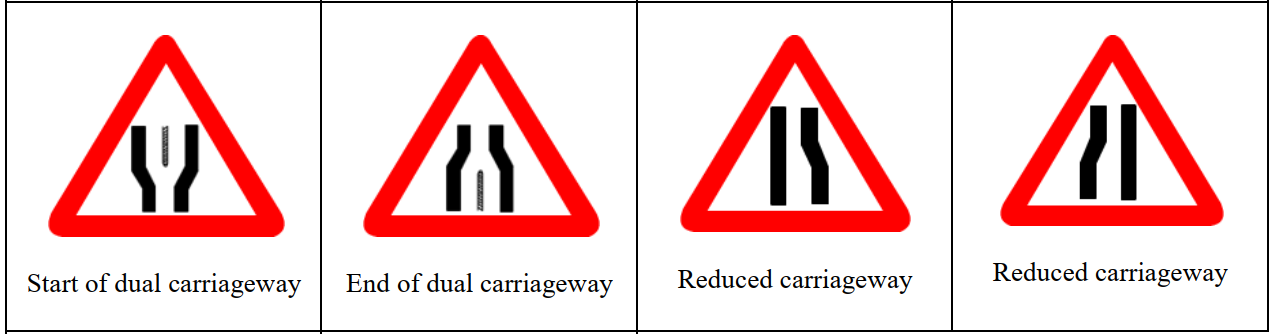
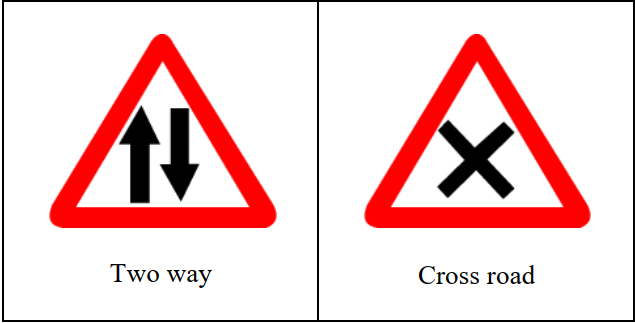
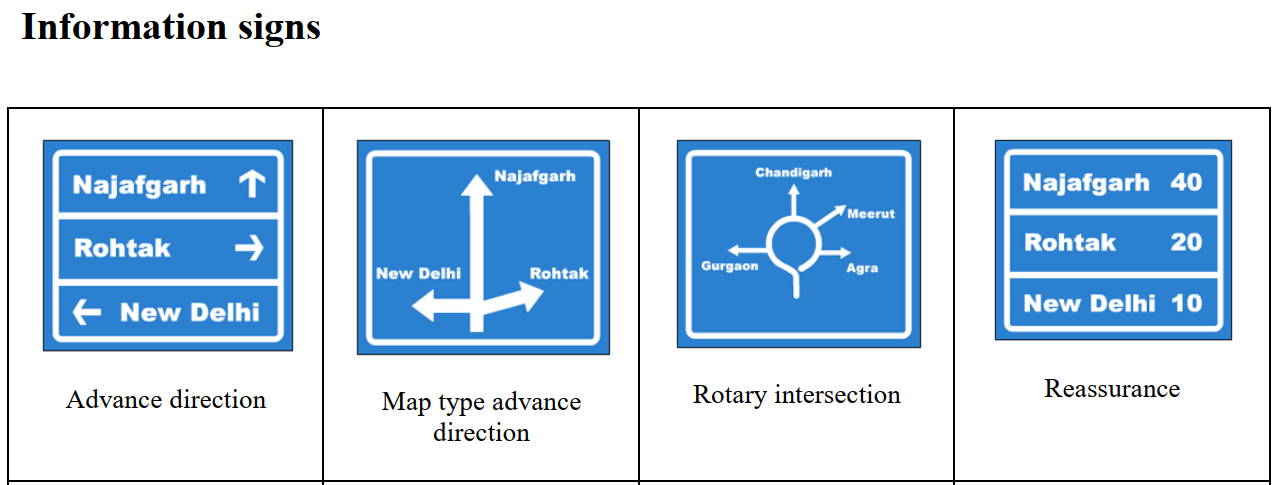
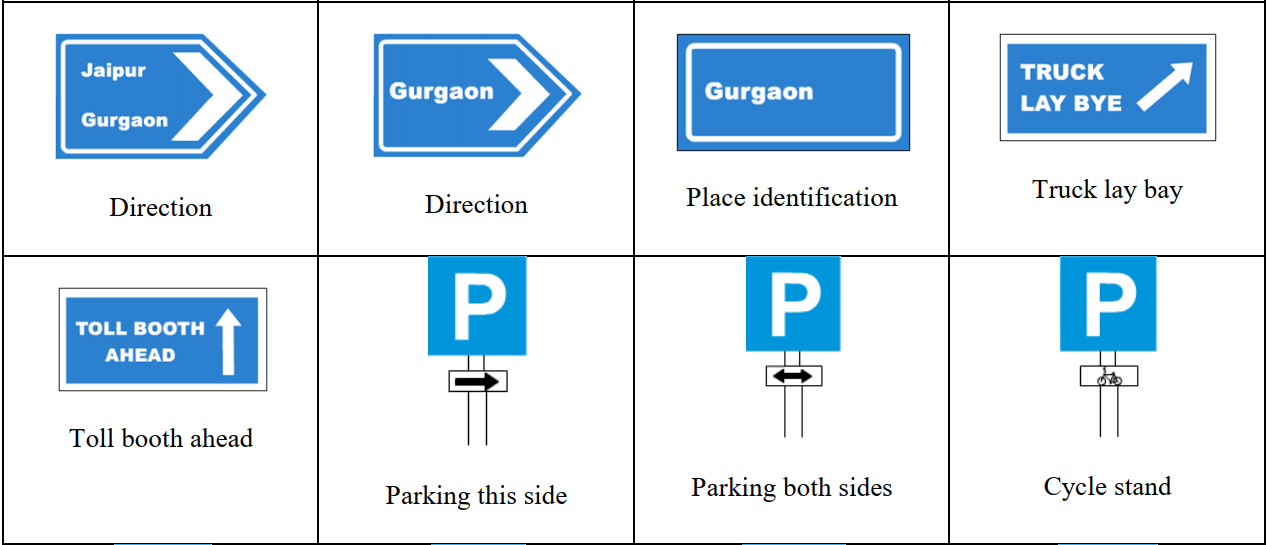
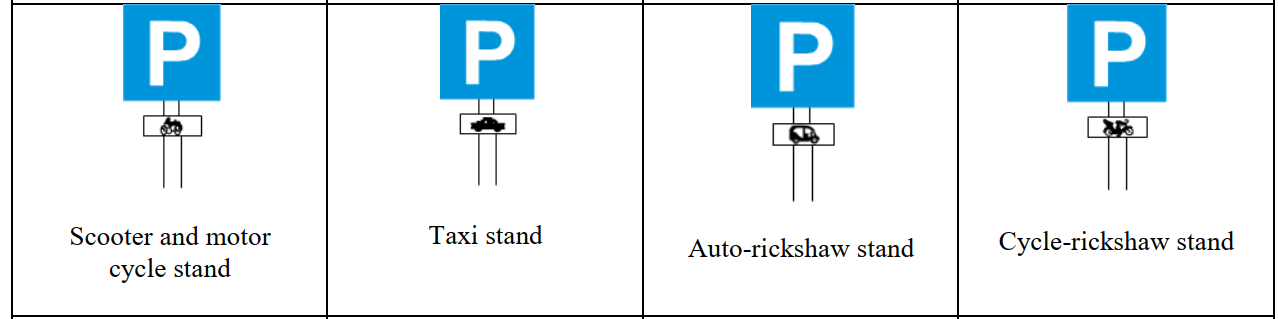
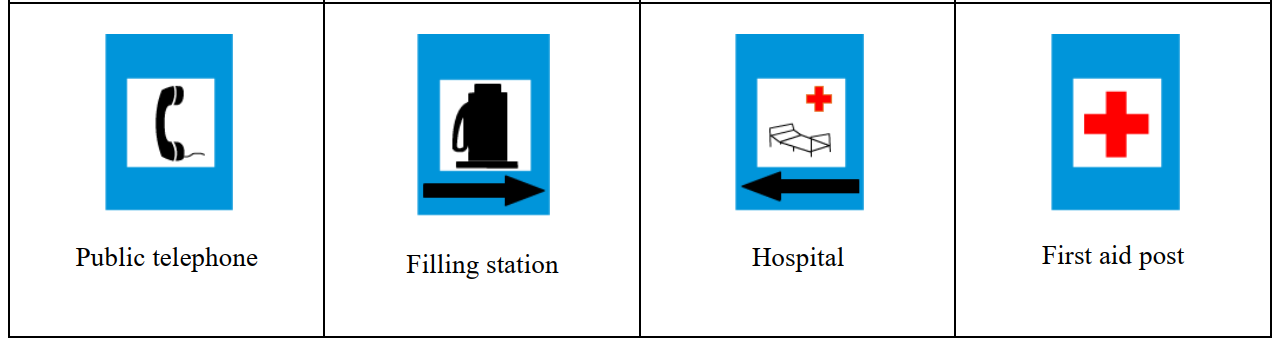
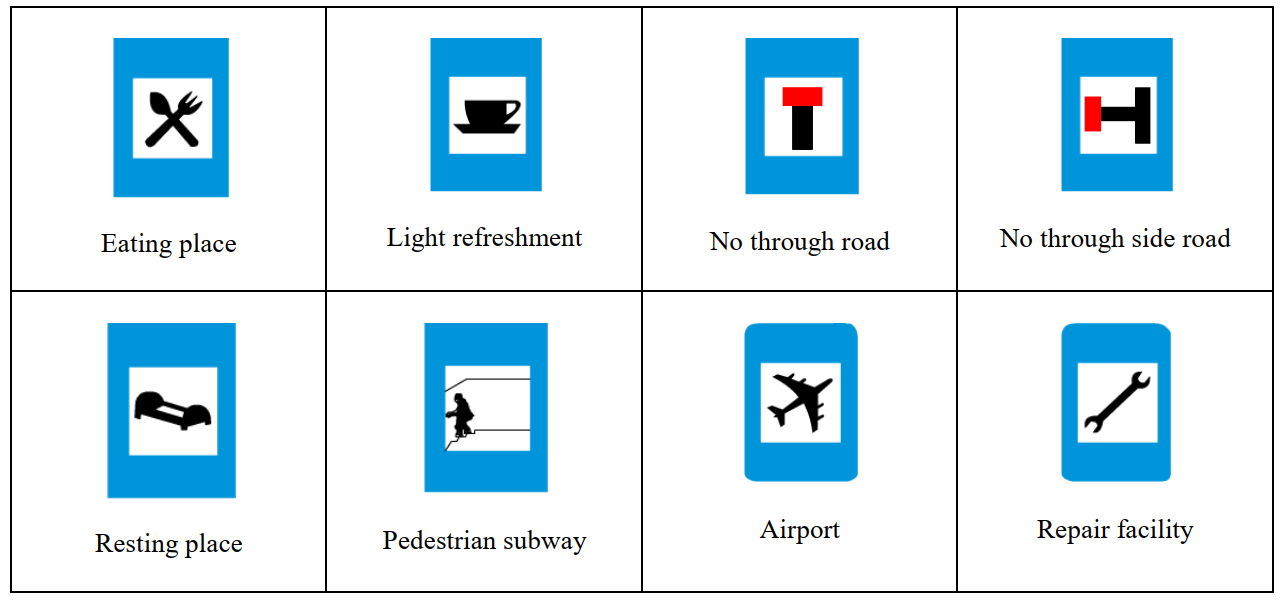
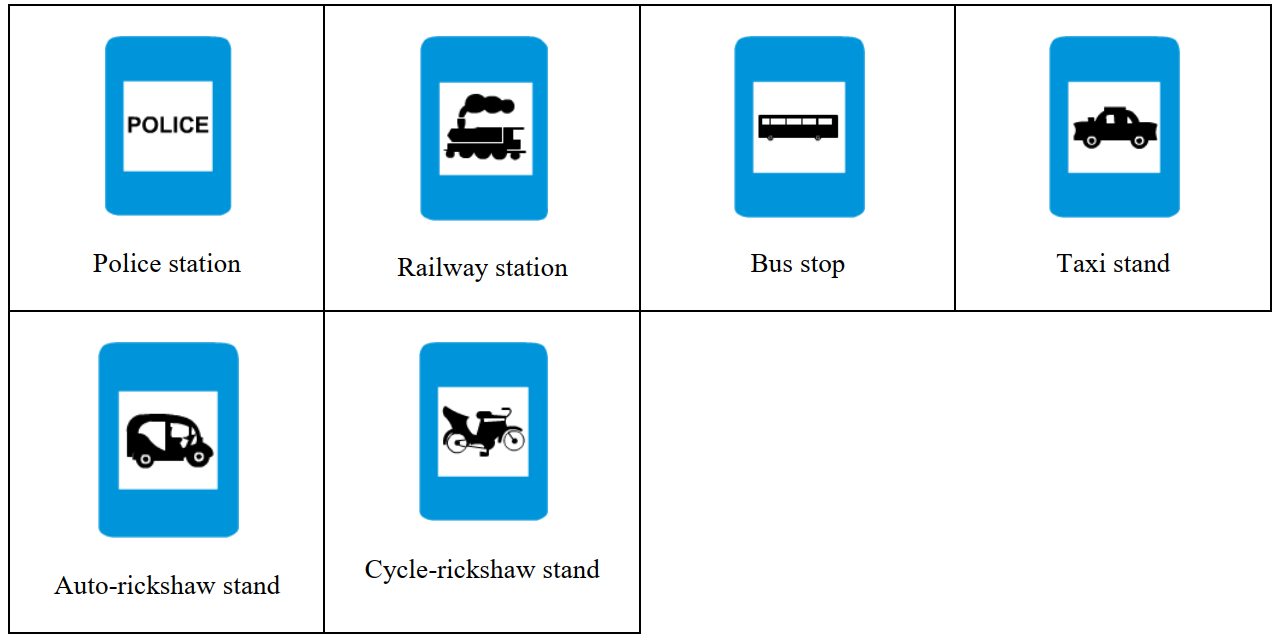
The Motor Vehicles Act,1988 (MVA), Central Motor Vehicles Rules,1989 (CMV), Chandigarh Motor Vehicles Rules and the Rules of Road Regulation,1989 [The Motor Vehicles (Amendment) Act,2019 No.32 of 2019] dated 09-08-2019 are the legal instruments for the conduct of road traffic in India.
Sr. No |
Section |
Offences |
For First Offence |
For Subsequent Offence |
1 |
177 |
1) Disobey of traffic signal. |
Rs. 500/- |
Rs. 1000 |
|
2) Smoking while driving |
Rs. 500 |
Rs. 1000 |
|
|
3) Wrong parking within city area |
Rs. 500 |
Rs. 1000 |
|
|
4) Unauthorized use of Sun film |
Rs. 1000 |
Rs. 1500 |
|
|
5) Failing to Lower Head Light Beam within city road |
Rs. 500 |
Rs. 600 |
|
|
6) Unauthorized use of Red/Blue beacon |
Rs. 1000 |
Rs. 1500 |
|
|
7) Private Service vehicle without fire extinguisher |
Rs. 500 |
Rs. 600 |
|
2 |
178(1) |
Travelling without pass & ticket |
Rs. 500 |
Rs. 500 |
3 |
178(2) |
Supply of invalid tickets lesser value ticket etc. |
Rs. 500 |
Rs. 500 |
4 |
178(3)(a) |
If permit in contravention of the provisions of M.V Act |
Rs. 50 |
Rs. 50 |
5 |
178(3)(b) |
Refusal to ply contract carriage or to carry the passengers. |
Rs. 500 |
Rs. 500 |
6 |
179(1) |
Disobeying of orders, obstructions and refusal of information |
Rs. 1000 |
Rs. 1500 |
7 |
179(2) |
Failure to supply any information willfully withhold such information or supply false information. | Rs. 1000 | Rs. 1500 |
8 | 180 | Allowing unauthorized person to drive two |
Rs. 5000 |
Rs. 5000 |
9 |
181 |
Driving without Driving License or not valid Driving License. |
Rs. 5000 |
Rs. 5000 |
10 |
182(1) |
Driving vehicle during disqualification/suspension of licence procuring of license when not legally authorized to do so by concealing facts | Rs. 10000 |
Rs. 10000 |
11 |
182(2) |
Acting as a conductor with licence obtaining conductor licence when not legally authorized by concealing |
Rs. 2000 |
Rs. 2000 |
12 |
182-A(1) |
Offence relating to sale of vehicle by Dealer/Manufacture/Importer violating chapter 7 | Rs. 100000 (per vehicle) |
Rs. 100000 (per vehicle) |
13 |
182-A(3) |
Offence relating to sale of critical safety component not complying with chapter 7 |
Rs. 100000 (per Component) |
Rs. 100000 (per Component) |
14 |
182-A(4) |
Alteration of motor vehicle by owner not permitted by Act/Rules |
Rs. 5000 (Per Alteration) |
Rs. 5000 (Per Alteration) |
15 |
182 B |
Prohibition of Registration & Fitness Certification to oversized vehicles violating section 62 A read with 110 |
Rs. 5000 |
Rs. 5000 |
16 |
183(1) |
Driving LMV with excess speed |
Rs. 1000 |
Rs. 2000 |
17 |
183(2) |
Driving HMV/MMV passenger with excess speedSchool Bus beyond 50 KMPH (permissible speed limit) | Rs. 2000 |
Rs. 4000 |
18 |
184 |
Dangerous driving & using handheld communication devices while by driver | Rs. 2000 |
Rs. 10000 |
19 |
186 |
Driving Mentally/ Physical unfit to drive |
Rs. 1000 |
Rs. 2000 |
20 |
189 |
Racing and trails of speed without the written consent of the State Govt. permits. |
Rs. 5000 |
Rs. 10000 |
21 |
190(2) |
1) Violating standards of road safety,air pollution and noise pollution |
Rs. 5000 |
Rs. 10000 |
22 |
192 |
Using vehicle without registration and F.C |
Rs. 5000 |
Rs. 10000 |
23 |
192 A |
Vehicle without permit and violating permit conditions |
Rs. 10000 |
Rs. 10000 |
24 |
194(1) |
Overloading goods vehicle and violation of entry U/S 115 |
Rs. 20000 and 2000 per tone of excess load. |
Rs. 20000 and 2000 per tone of excess load. |
25 |
194 (1 A) |
Carrying over dimension |
Rs. 20000 |
Rs. 20000 |
26 |
194(2) |
Refusal for weighing of the goods carriage |
Rs. 40000 |
Rs. 40000 |
27 |
194 A |
Carrying excess passenger in transport vehicle |
Rs. 200(Per extra Passenger) |
Rs. 200(Per extra Passenger) |
28 |
194 B(1) |
Without Seat belt (Driver and Passengers) |
Rs. 1000 |
Rs. 1000 |
29 |
194 B(2) |
Carrying children below 14 yr without safety belt/child restraint system |
Rs. 1000 |
Rs. 1000 |
30 |
194 C |
Riding more than two persons on two wheeler |
Rs. 1000 and disqualified for holding licence for period of three months |
Rs. 1000 and disqualified for holding licence for period of three months |
31 |
194 D |
Riding without Helmets by both drivers & pillion |
Rs. 1000 and disqualified for holding licence for period of three months |
Rs. 1000 and disqualified for holding licence for period of three months |
32 |
194 E |
Not providing way for Fire Service Vehicle or Ambulance or other emergency vehicles |
Rs. 10000 and disqualified for holding licence for period of three months |
Rs. 10000 and disqualified for holding licence for period of three months |
33 |
194 F(a) |
Using horn needlessly or continuously or in prohibited area |
Rs. 1000 |
Rs. 2000 |
34 |
194 F(b) |
Release of exhaust gas other than silencer |
Rs. 1000 |
Rs. 2000 |
35 |
196 |
Driving Without insurance |
Rs. 2000 |
Rs. 4000 |
36 |
198 |
Unauthorized interference with vehicle |
Rs. 1000 |
Rs. 1000 |
1) Khuddi Chungi Cut Bajakhana Road Barnala (NH-703)
2) Main Bus Stand Sherpur Chowk Sanghera (SH-13)
3) Jhalour Chowk Sanghera (SH-13)
4) Guruduwara Nanksar Thhathh Chowk Barnala (SH-13)
5) Sekha Chowk Barnala (SH-13)
6) Y.S School Cut GT Road Handiaya (NH-7)
7) Bus Stand cut GT Road Badbar (NH-7)
8) Bus Stand cut GT Road Harigarh (NH-7)
9) Mana Pindi Cut GT Road Dhanaula (NH-7)
1) Kacha Rasta Village Sahore Cut Near Golden Colony Mehal Kalan (SH-13)
2) Bus Stand Gangohar & Kirpal Singh Wala Raikot-Barnala Road Mehal Kalan (SH-13)
3) Bus Stand Chowk Bhaddalwad Raikot-Barnala Road (SH-13)
1) Ghuns-Dhaula Cut GT Road Tapa(NH-7)
2) Near Toll Plaza Bridge Cut Jagjtpura Moga-Barnala Road. (NH-703)
3) Dhurkot-Badra Road Canal (Sua) Bridge. (PMYR)
|
WEAR HELMET · Two Wheeler riders must wear helmet (protective headgear) while driving. · The primary goal of a helmet is rider’s safety – to protect the rider’s head during impact, thus preventing or reducing head injury or saving the rider’s life. · Always use a standard ISI helmet. · Helmets MUST comply with the Regulations and they MUST be fastened securely. |
|
|
FASTEN SEAT BELTS WHILE DRIVING FOUR WHEELERS · Fasten your seat belt before you start. Seat belts are for your safety not just for avoiding challans. · Seat belt keeps you behind the wheel and in control of the vehicle in case of a collision. · Seat belt keeps your head and body from hitting the inside of the vehicle. · Seat belt keeps you inside the vehicle in a collision. A person who is thrown out of the vehicle during the collision has a higher chance of getting serious injury. · Seat belts should be worn comfortable enough to keep you in your seat if there is a collision. Put the shoulder strap over your shoulder, never under your arm. The lap belt should be put low over the hips, not over the stomach. |
|
|
LEFT TURN · Ensure that the turning path is clear and no one is coming up behind you on your left. · Give the left and signal by hand or indicator. · Keep as close to the left as possible – just before during and after turn. · After completing the turn, slowly and smoothly merge with the traffic. |
|
|
RIGHT TURN · Make sure that the traffic behind is at a safe distance. · Give the right hand signal and gradually slow down. · Leave as much room as possible for other vehicles to pass on your left, and take a position on right side of the road in one way roads. · As soon as you find a safe gap between you and the coming traffic make turn swiftly but safely Rules of the Road Regulations, 1989. |
|
|
ROUND ABOUTS · On entering a roundabout: Before entering a roundabout, you must indicate a left or right-hand turn for at least five seconds if you intend making a turn from the roundabout. · On leaving a roundabout: When leaving a roundabout, whether you are turning left, right or going straight ahead, you must always indicate when you are about to exit. |
|
|
KEEP LEFT · The driver of a motor vehicle shall drive the vehicle as close to the left hand side of the road as may be expedient and shall allow all traffic which is proceeding in the direction to pass on his right hand side. |
|
|
TURNING TO LEFT AND RIGHT · When turning to left, drive as close as may be to the left-hand side of the road from which he is making the turn and of the road which he is entering. · When turning to the right draw as near as may be to the centre of the road along which he is travelling and arrive as near as may be at the left-hand side of the road which the driver is entering. |
|
|
PASSING TO THE RIGHT · Except as provided in regulation 5, the driver of a motor vehicles shall pass to the right of all traffic proceeding in the same direction as himself. |
|
|
PASSING TO THE LEFT · The driver of a motor vehicle may pass to the left of a vehicle the driver of which having inducted an intention to turn to the right has drawn to the centre to the Road and may pass on either side. |
|
|
OVERTAKING PROHIBITED IN AREAS SO MARKED · The driver of a motor vehicle shall not pass a vehicle travelling in the same direction as himself. |
|
|
OVERTAKING NOT TO BE OBSTRUCTED · The drive of a motor vehicle shall not, when being overtaken or being passed by another vehicle, increase speed or do anything in any way to prevent the other vehicle from passing him. |
|
|
CAUTION AT ROAD JUNCTION · The drive of a motor vehicle shall slow down when approaching such intersection, junction at which traffic is not being regulated, if the road entered is a main road designated as such, give way to the vehicles proceeding along that road, and in any other case give way to all traffic approaching the intersection on his right hand. |
|
|
GIVING WAY TO TRAFFIC AT ROAD JUNCTION · The driver of a motor vehicle shall, on entering a road intersection, at which traffic is not being regulated, if the road entered is a main road designated as such, give way to the vehicles proceeding along that road, and in any other case give way to all traffic approaching the intersection on his right hand. |
|
|
FIRE SERVICE VEHICLES AND AMBULANCE TO BE GIVEN FREE PASSAGE · Every driver shall on the approach of a fire service vehicle or of an ambulance allow free passage by drawing to the side of the road. |
|
|
RIGHT TO WAY · The pedestrians have the right of way at uncontrolled pedestrian crossings. When any road is provided with footpath or cycle tracks specially for other traffic, except with permission of a police officer in uniform, a driver shall not drive on such footpath or track. |
|
|
TAKING “U” TURN · No driver shall take a “U” turn where “U” turn is specially prohibited and on busy traffic road. If a “U” turn is allowed the driver shall show signal by hand/indicator as for a right turn, watch in the rear view mirror and turn when safe to do so. |
|
|
SIGNALS TO BE GIVEN BY DRIVERS · The signals shall be used by the drivers of all motors vehicles. |
|
|
DIRECTION INDICATOR · The signals referred to in regulation 12, may be simplified also by mechanical or electronic devices. |
|
|
PARKING OF THE VEHICLE Basic parking rules: · Never park on the part of a road where traffic is flowing. Drive off the road onto the shoulder if you have to stop. · Never park at a place where you do not have a clear view for at least 50 meters in both directions. · Do not park where you will block a vehicle already parked or where you will block a sidewalk, crosswalk, pedestrian crossing or road entrance. · Do not park close to a public entrance to a hotel, theatre or public hall when it is open to the public. · Do not park near an intersection or a round-about. · Do not park where you will get in the way of traffic. · Look around and make sure before opening the door of your parked vehicle. Close the door as soon as you can. · Park your vehicle on the left side in the direction of the traffic. · Pull the handbrake. |
|
|
VISIBILITY OF LAMPS AND REGISTRATION MARKS · No load or other goods shall be placed on any motor vehicles so as to mask or otherwise interrupt vision of any lamp, registration mark or other mark required to be carried by or exhibited on any motor vehicle by or under Act, unless a duplicate of the lamp or mark so marked or otherwise obscured is exhibited in the manner required by or under the Act for the exhibition of the marked or obscured lamp or mark. |
|
|
ONE WAY TRAFFIC: A DRIVER SHALL NOT · Drive a motor vehicle on roads declared “ONE WAY” except in the direction specified by sign boards. · Drive a vehicle in a reverse direction into a road designed “ONE WAY”. |
|
|
DRIVING ON CHANNELISED ROADS ( LANE TRAFFIC ) · Where any road is marked by lanes for movement of traffic, the driver of a motor vehicle shall drive within the lane and change the lane only after giving proper signal. |
|
|
STOP SIGN ON ROAD SURFACE · When any line is painted on or inlaid into the surface of any road at the approach to the road junction or to a pedestrian crossing or otherwise,no driver shall drive a motor vehicle so that any part thereof projects beyond that line at any time when a signal to stop is being given by a police officer or by means of a traffic control light or by the display of any traffic sign. |
|
|
TOWING · No vehicle other than a mechanically disabled motor vehicle or incompletely assembled motor vehicle, a registered trailer or a side car, shall be drawn or towed by any other motor vehicle, except for purposes of delivery and to the nearest filling station or garage. |
|
|
USE OF HORNS AND SILENCE ZONES · Sound the horn needlessly or continuously or more than necessary to ensure safety. · Sound the horn in silence zones. |
|
|
TRAFFIC SIGN AND TRAFFIC POLICE · A driver of a motor vehicle and every other person using the road shall obey every direction given whether by signal or otherwise a police officer, or by notice, traffic sign or signal fixed or operated. |
|
|
DISTANCE FROM VEHICLES IN FRONT · The driver of a motor vehicle moving behind another vehicle shall keep at a sufficient distance from that other vehicle to avoid collision if the vehicle in front should suddenly slow down or stop. |
|
|
ABRUPT BRAKE · No driver of a vehicle shall apply brake abruptly unless it is necessary to do so for safety reasons |
|
|
VEHICLES GOING UPHILL TO BE GIVEN PRECEDENCE · On mountain roads and steep roads, the driver of a motor vehicle travelling down hill shall give precedence to a vehicle going uphill wherever the road is not sufficiently wide to allow the vehicle to pass each other freely without danger, and stop the vehicle to the side of the road in order to allow any vehicle proceed in uphill to pass. |
|
|
OBSTRUCTION OF DRIVER · A driver of a motor vehicle shall not allow any person to stand or all or anything to be placed in such manner or position as to hamper his control of the vehicle. |
|
|
SPEED TO BE RESTRICTED · The driver of a motor vehicle shall, when passing or meeting procession or a body of troops or police on the march or when passing workmen engaged on road repairs, drive at a speed not exceeding 25 Km an hour. |
|
|
DRIVING OF TRACTORS AND GOODS VEHICLES · A driver when driving a tractor shall not carry or allow any person to be carried on tractor. A driver of goods carriage shall not carry in the drivers cabin more numbers of persons than that is mentioned in the registration certificate and shall not carry passengers for hire or reward. |
|
|
PROJECTION OF LOADS · No person shall drive in any public place any motor vehicle which is loaded in a manner likely to cause danger to any person in such a manner that the load or any part thereof of anything extends laterally beyond the body or to the rear or in height beyond the permissible limit. |
|
|
RESTRICTION TO CARRIAGE OF DANGEROUS SUBSTANCES · Except for the fuel and lubricants necessary for the use of the vehicle, no explosive highly inflammable or otherwise dangerous substance, shall be carried on any public service vehicle. |
|
|
RESTRICTION ON DRIVING BACKWARDS · No driver of a motor vehicle shall cause the vehicle to be driven backward without first satisfying himself that he will not thereby cause danger or undue inconvenience to any person or in any circumstances, for any greater distance or period of time than may be reasonably necessary in order to turn the vehicle round. |
|
|
PRODUCTION OF DOCUMENTS · Transport vehicle the permit and fitness certificate, also. · Shall on demand by police officer in uniform or an officer of the Motor Vehicles Department in uniform or any other officer authorized by the Government, produce the documents for inspection: |